
Rajwadi or Modern Bridal Lehenga: Which One Suits Your Wedding
Somewhere between booking the venue and choosing the menu, most brides run into the same fork. One side is rajwadi: velvet, deep maroon, gold, weight, the look that has meant "wedding" in Gujarat and Rajasthan for generations. The other is modern: raw silk, pastels, cleaner lines, less of everything. Both are right. They just suit different weddings.
What rajwadi actually means
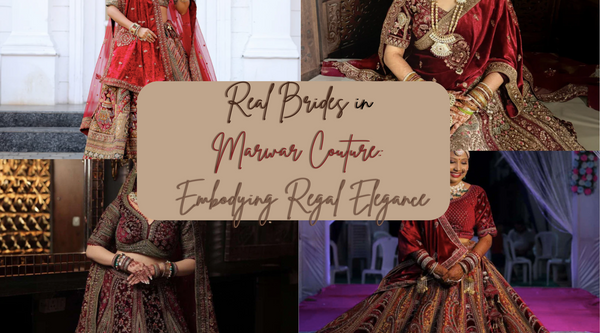
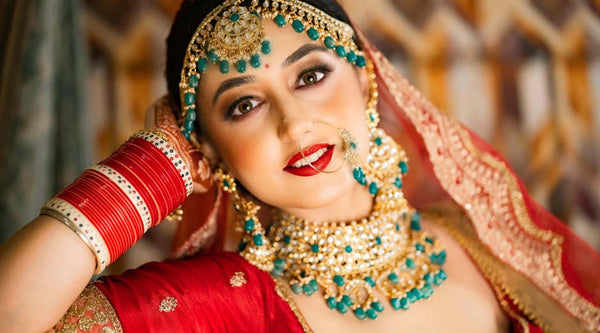
Rajwadi is a royal-court look, and the vocabulary is specific. Velvet rather than silk. Maroon, deep red, chiku and gold rather than pastels. Zari and sequin work laid over the whole ground rather than placed. Often a kamar belt at the waist. Frequently a double dupatta, one draped and one over the head.
It reads as heritage, and it photographs as heritage. In a mandap, under warm light, with family in traditional dress around you, nothing else looks quite as much like a wedding.

Rajgharana, royal rajwada maroon velvet.
What it costs you, honestly
Weight. A velvet rajwadi lehenga with all-over work is heavy, and you wear it for hours. If your ceremony is long, outdoors, or in a Gujarat summer, that is a real consideration rather than a small one.
It is also emphatically not a subtle look. If your wedding is small, or in a modern venue, or your family photographs lean minimal, a full rajwadi piece can feel like it belongs to a different event.
What modern means here
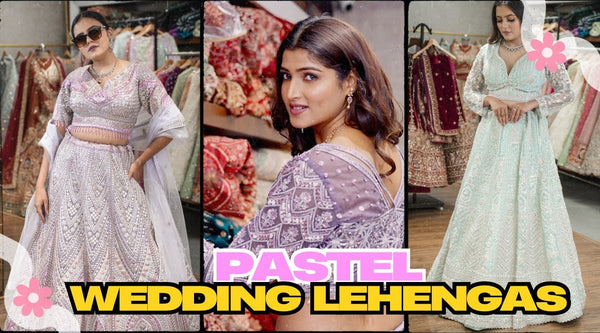
The modern bridal look moves to raw silk, tissue silk and net. The palette opens up to rani pink, orange rust, ivory, blush and pastel. The work becomes placed rather than all-over: a border, a motif, a panel, so there is ground showing between the embroidery.
It is lighter to wear, easier to move in, and it dates differently. A minimal raw silk piece will look considered in ten years. Whether that matters to you is a genuine question, not a rhetorical one — plenty of brides want their wedding photographs to look unmistakably of their tradition, and that is a good reason to choose rajwadi.

Damsel, royal maroon velvet, 18 kalis.
The middle route most brides actually take
In practice the commonest answer is not one or the other. It is rajwadi for the wedding itself and modern for everything around it — a velvet maroon piece for the pheras, something lighter in raw silk or net for the sangeet and the reception.
That is also the cheaper answer, because the heaviest piece only has to work once. Buying one very heavy lehenga and wearing it to four functions rarely ends well for anyone.

Rajgharana, multicolour patchwork rajwadi.
Kalis, ghera and why the flare costs money
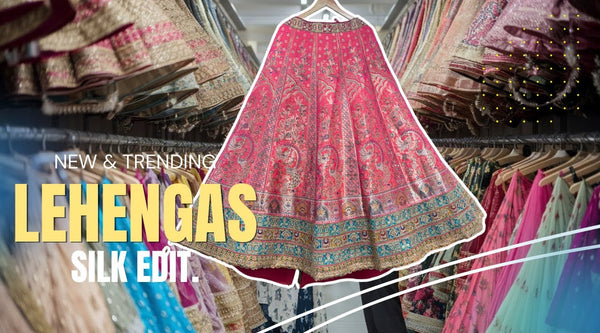
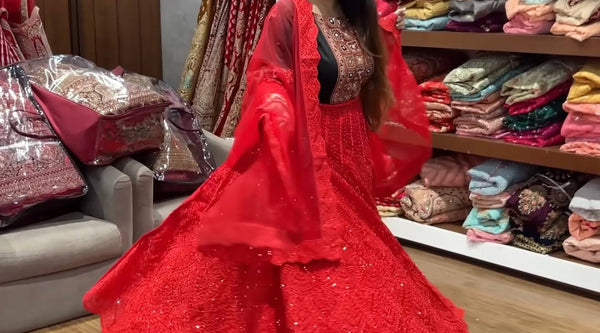
The number of kalis — the vertical panels in the skirt — is the quiet thing that separates two lehengas that look similar in a photograph. An 18-kali velvet lehenga has a good, full sweep. A 36-kali piece has roughly twice the panels, twice the seams, and a ghera that can run to twelve metres. That is more cloth, more cutting and far more labour, and it is most of why one costs three thousand rupees and the other twenty-eight.
If the flare in your reference photograph is the thing you love, kali count is what you should be asking about, not the embroidery.
How JMS Studio helps
We make across both. Our rajwadi shelf runs from about ₹4,999 to ₹36,999, and the modern bridal range covers raw silk, tissue and net in reds, pastels and ivories. Everything is made in our own workshop in Surat and can be stitched to your measurements, so you are choosing a look rather than settling for whatever a showroom happens to stock.
See the rajwadi shelf and the velvet lehengas, then compare against the wedding-day reds, the pastel bridals and the ivory lehengas. If you are dressing more than one function, the sangeet and cocktail range is where the lighter pieces live.
Frequently asked questions
What is a rajwadi lehenga?
A royal-court style: usually velvet, in maroon, deep red or chiku with gold zari and sequin work, often with a kamar belt and a double dupatta.
Is a rajwadi lehenga too heavy to wear all day?
It is genuinely heavy. For a long ceremony, an outdoor venue or a summer wedding, many brides wear rajwadi for the wedding itself and something lighter for the other functions.
What is the difference between an 18-kali and a 36-kali lehenga?
Kalis are the vertical panels in the skirt. More kalis means more panels, more seams and a much wider ghera — a 36-kali piece can run to a twelve-metre sweep. It is more cloth and far more labour, which is why it costs more.
Can I wear a pastel or ivory lehenga for a traditional wedding?
Yes, and many brides now do. Reds and maroons remain the classic choice, but pastels and ivories read as fully bridal.
What does a rajwadi bridal lehenga cost?
Ours run from about ₹4,999 to ₹36,999 depending on the fabric, the kali count and how much of the work is done by hand.
Ready when you are
Tell us your venue, your date and how many functions you are dressing, and we will show you both routes.
- Book a free video consultation on WhatsApp. See any piece live, before you pay.
- Browse rajwadi bridal lehengas.
More in The JMS Bride's Guide
- Part 1: How to measure yourself for a lehenga.
- Part 2: The NRI bride's guide to buying a lehenga from India online.
- Part 3: Unstitched vs semi-stitched vs fully stitched.
- Part 4: How long a custom bridal lehenga takes.
- Part 5: Manufacturer-direct vs boutique, and why lehengas cost what they cost.
- Part 6: Bridal lehenga colours, function by function.
- Part 7: Shopping for a bridal lehenga in Surat.
- Part 9: What your bridal lehenga budget actually buys.
- Part 10: Every shade of red we actually make.
- Part 11: Dressing the sangeet and the reception.
- Part 12: Buying from Surat without coming to Surat.